

JAIPUR: In a major crackdown on institutionalized corruption, the Rajasthan Anti-Corruption Bureau (ACB) has officially filed a monumental 16,000-page chargesheet in the high-profile Jal Jeevan Mission (JJM) scam. The investigative documents, so voluminous they had to be transported to the court in two buses, expose a deeply entrenched “syndicate of loot” involving top-tier bureaucrats, influential politicians, and private contractors.
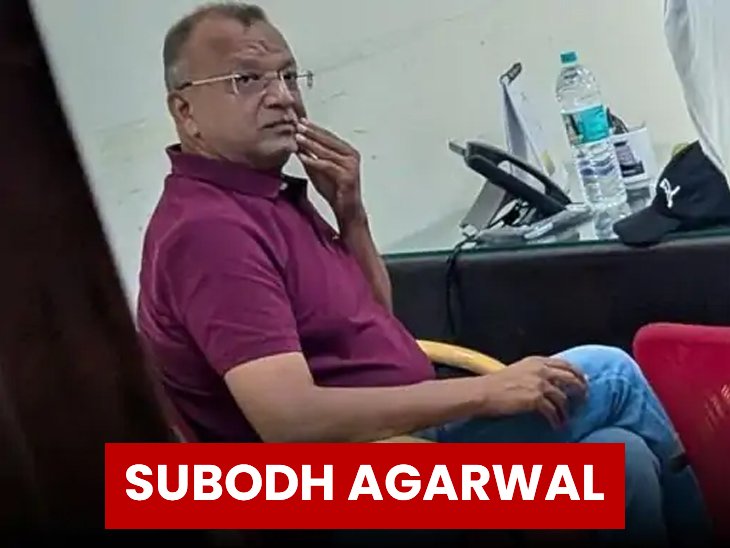
The scam, which revolves around the multi-crore central scheme aimed at providing clean drinking water to rural households, has named retired IAS officer and former Additional Chief Secretary (ACS) Subodh Agarwal, former PHED Minister Mahesh Joshi, and several others as key conspirators.
A “Commission Chart” of Corruption
According to the findings detailed by Expose Now, the investigation has revealed a systematic “commission chart” within the Public Health Engineering Department (PHED). The ACB alleges that every level of the administrative hierarchy had a fixed “cut” or bribe percentage for clearing files. Tenders were reportedly managed not on the basis of merit or necessity, but through a pre-decided bribery scale.
The chargesheet suggests that whether a project was worth ₹5 crore or ₹500 crore, no contract was awarded without the “stamp of commission.” This institutionalized bribery turned the department into a marketplace where public welfare projects were auctioned to the highest bribe-payer.
Key Figures and the “Syndicate”
The ACB’s investigation highlights three main pillars of the scam:
More Read

- Subodh Agarwal (Retired IAS): As the then ACS of PHED and Chairman of the Finance Committee for JJM, Agarwal is accused of manipulating the “Model Tender Document” to include controversial clauses that favored specific firms. He was recently arrested in Delhi after a long period of evading the law.
- Mahesh Joshi (Former Minister): The chargesheet alleges that the entire “well of corruption” was dug under his patronage. His associates and middlemen allegedly used his name to strike deals worth hundreds of crores with contractors.
- Sanjay Badaya (The Middleman): Identified as the “Financial Manager” of the syndicate, Badaya allegedly acted as the bridge between contractors and the minister, facilitating the collection and distribution of bribe money.
Modus Operandi: Fake Certificates and Stolen Pipes
The scam involved large-scale technical and financial fraud. Two Jaipur-based firms—Shree Shyam Tubewell Company and Ganpati Tubewell Company—allegedly secured high-value tenders by submitting forged completion certificates purportedly issued by IRCON International Ltd.
The ACB further uncovered that:
- Substandard Materials: Contractors allegedly used rusted, low-quality, and even stolen pipes sourced from Haryana and Delhi-NCR.
- Fake Billing: Payments were released for work that was never performed. In some districts, bills were cleared for laying pipelines without actually digging the ground or opening tube wells.
- Digital Fraud: A fake email ID (
jesircon.mdwit@gmail.com) was allegedly created to send forged verification reports to the department to bypass technical scrutiny.
Scale of the Investigation
The 16,000-page chargesheet is the result of a two-year-long investigation involving raids at over 100 locations across 21 cities, including Jaipur, Mumbai, and Delhi. The ACB formed 40 specialized teams to track down the absconding officials.
More Read

So far, 11 individuals have been arrested, while the search continues for three more accused. The ACB is also conducting Forensic Science Laboratory (FSL) examinations of seized digital devices, including Subodh Agarwal’s mobile phone, to trace the complete money trail.
The Jal Jeevan Mission, a flagship project of the Central Government, was intended to be a lifeline for Rajasthan’s water-starved rural areas. However, as the ACB’s massive chargesheet suggests, the project became a “fountain of illegal wealth” for those in power, leaving the public’s thirst unquenched and the state exchequer lighter by nearly a thousand crores.