

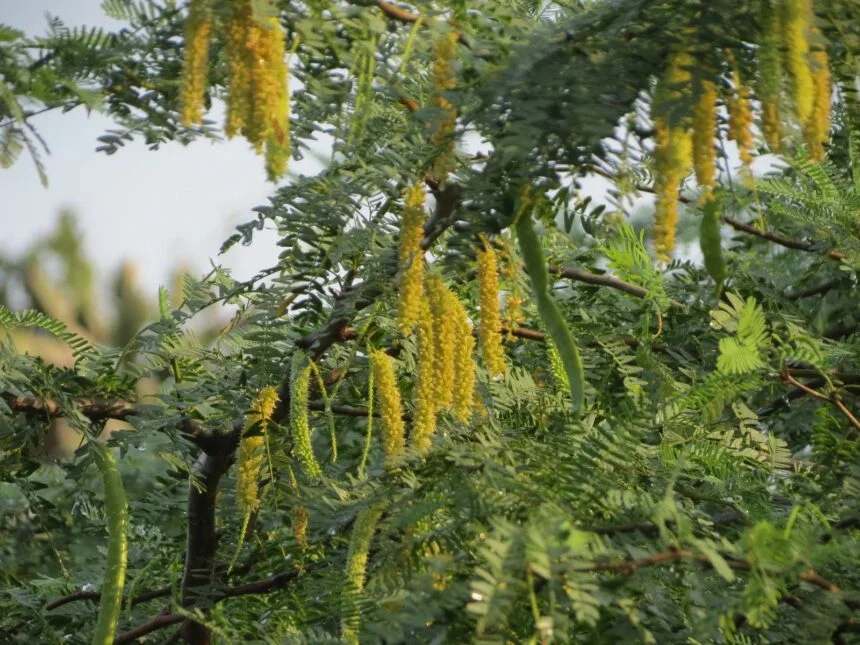
Jodhpur: In a landmark decision aimed at protecting Rajasthan’s ecological heritage, the Rajasthan High Court has directed that no Khejri tree — the state tree and lifeline of the desert ecosystem — can be cut without prior legal permission.
Delivering a strongly worded and emotionally significant observation, a division bench comprising Justice Arun Monga and Justice Sandeep Shah emphasized the urgent need to preserve the fragile environmental balance of the desert state. Recalling the historic 1730 Khejarli sacrifice, the court remarked that just as rulers of that era issued strict orders to protect trees, perhaps the time has come for present-day authorities to adopt similarly firm measures for environmental conservation.
The court’s remarks came during the hearing of a Public Interest Litigation (PIL) filed by Shri Jambheshwar Paryavaran Evam Jeev Raksha Pradesh Sanstha.
Court Raises Alarm Over Tree Cutting in Name of Solar Projects
During the hearing, advocate Vijay Bishnoi, representing the petitioner organization, argued that large-scale cutting of Khejri trees was allegedly taking place under the cover of Rajasthan’s solar power expansion policy.
He informed the court that many solar power projects are being developed on barren desert land where the Khejri tree is often the only surviving species capable of sustaining ecological balance in harsh climatic conditions.
More Read

The High Court described the situation as a “shocking irony,” observing that while renewable solar energy is being promoted as green energy, rare desert vegetation and environmentally critical trees are simultaneously being destroyed.
The bench stressed that environmental sustainability cannot be achieved by sacrificing natural ecosystems in the name of development.
Emotional Reference to the 1730 Khejarli Sacrifice
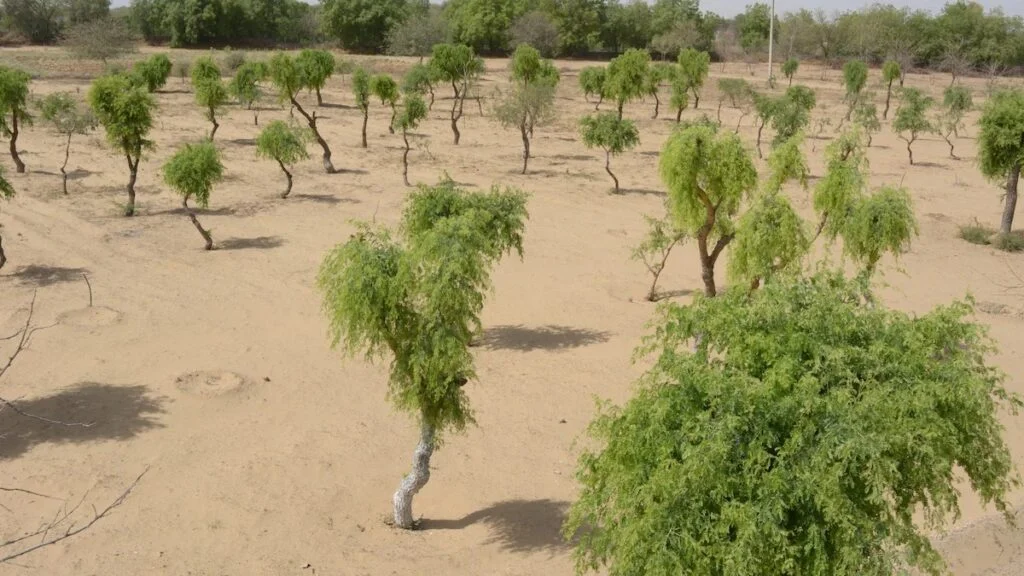
The court made a special reference to the globally known Khejarli sacrifice of 1730, where Amrita Devi Bishnoi and 363 members of the Bishnoi community laid down their lives to protect Khejri trees from being cut.
More Read
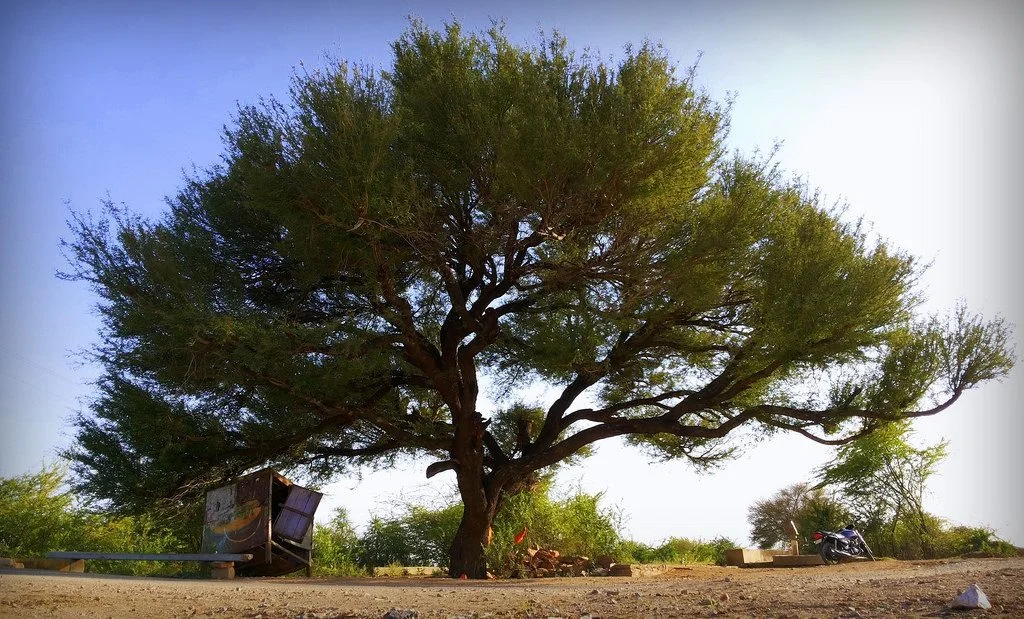
The bench observed that the Khejri tree is not merely a plant species but a deeply respected symbol of faith, tradition, and ecological identity for local communities across Rajasthan.
The judges stated that technological and industrial progress is important, but authorities must seriously evaluate whether such development justifies irreversible environmental damage.
No Tree Cutting Without Mandatory Intimation
The High Court has directed the special committee constituted by the Rajasthan government on March 9 to prepare a legal framework and draft policy for long-term protection of Khejri trees.
The bench expressed hope that the committee would explore all possible alternatives to ensure that “not even a single tree” is unnecessarily cut.
Under the court’s directions:
- No Khejri tree can now be cut without prior approval under legal procedures.
- Any proposed tree cutting must be mandatorily reported to the special committee.
- Authorities and solar companies will now face stricter scrutiny regarding environmental compliance.
Major Impact on Solar and Infrastructure Projects
The court’s strong stand is expected to significantly impact solar energy companies, infrastructure developers, and forest authorities operating in Rajasthan’s desert regions.
More Read

Environmental experts believe the judgment could become a landmark precedent balancing renewable energy expansion with biodiversity conservation and protection of fragile desert ecosystems.
The decision has also been widely welcomed by environmental activists, Bishnoi organizations, and conservation groups, who have long demanded stronger legal safeguards for Khejri trees.
The matter is expected to remain under judicial monitoring as the state government and the special committee prepare future guidelines regarding environmental protection and project approvals in ecologically sensitive zones.