

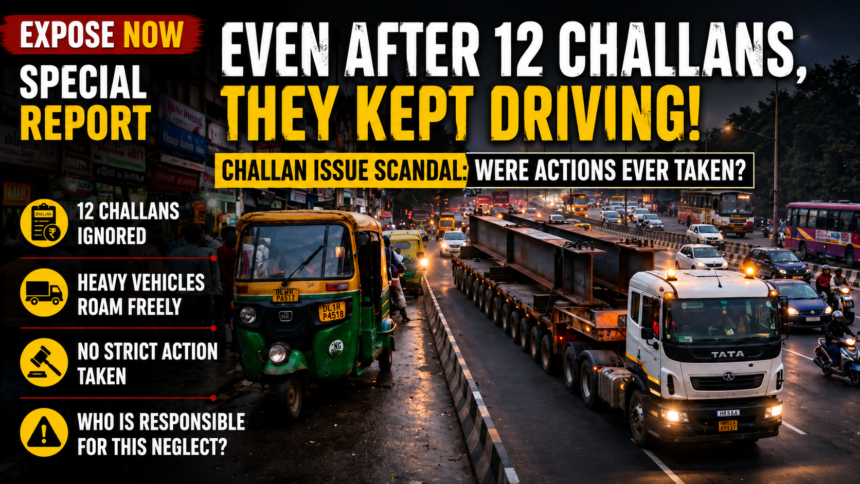
Jaipur: A recent road accident in Jaipur has reignited concerns about whether fatal crashes are merely isolated incidents or the result of long-standing systemic failures. The incident has prompted fresh debate over road engineering, traffic management, enforcement, and the accountability of agencies responsible for maintaining public safety.
Road safety experts have repeatedly argued that many fatal accidents are preventable when proper infrastructure, adequate signage, effective traffic regulation, and timely emergency response systems are in place. Previous investigations into major highway accidents around Jaipur have identified deficiencies such as inadequate road design, missing warning signs, poor illumination, and lapses in safety compliance.
Beyond Driver Error
While driver negligence often contributes to road accidents, experts emphasize that infrastructure and administrative shortcomings can significantly increase the severity and frequency of such incidents.
Questions commonly raised after major accidents include:
- Were road safety standards properly implemented?
- Were warning signs, reflectors, and street lighting adequate?
- Were hazardous road stretches identified and corrected?
- Were emergency services able to respond within the critical “golden hour”?
- Have previous safety recommendations been implemented?
These issues have become central to discussions following several serious accidents in Rajasthan.
More Read

Recurring Concerns Over Infrastructure
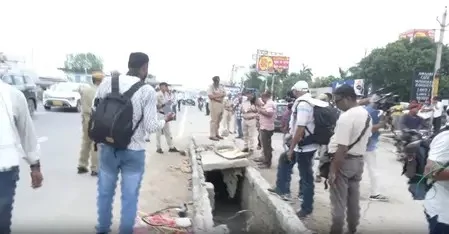
Investigations into previous highway crashes near Jaipur have highlighted multiple concerns, including inadequate traffic management, incomplete road infrastructure, unsafe median openings, poor visibility, and non-functional traffic signals. Experts have warned that unless these deficiencies are addressed, similar accidents may continue to occur.
Road safety specialists believe that engineering improvements, proper signage, speed management, and continuous monitoring are essential to reducing accident risks on high-speed corridors.
Emergency Response Also Under Scrutiny
Apart from accident prevention, emergency medical response remains another critical concern.
More Read

Experts note that prompt trauma care during the “golden hour” often determines whether seriously injured victims survive. Reports have previously pointed to delays in trauma care and gaps in emergency coordination following major road accidents in Jaipur, strengthening calls for a more integrated accident response system.
Need for Institutional Accountability
The latest accident has renewed demands for authorities to move beyond attributing responsibility solely to drivers and instead examine institutional accountability.
Road safety advocates have called for:
- Independent safety audits of accident-prone locations.
- Strict enforcement of highway engineering standards.
- Better coordination among road-owning agencies, traffic police, and local authorities.
- Installation of adequate lighting, reflectors, crash barriers, and warning systems.
- Faster emergency medical response and improved trauma infrastructure.
- Periodic review of black spots and implementation of corrective measures.
A Larger Public Safety Challenge
Rajasthan continues to witness a significant number of road accidents each year, making road safety one of the state’s major public policy challenges. Experts stress that reducing fatalities requires a comprehensive approach involving better infrastructure, stricter enforcement, public awareness, engineering improvements, and institutional accountability rather than relying solely on punitive action after accidents occur.
The latest tragedy serves as another reminder that sustainable improvements in road safety will depend on coordinated action from all responsible agencies and consistent implementation of preventive measures.