


Karauli, Rajasthan: A major corruption scandal has come to light in Rajasthan’s Karauli district, where alleged financial irregularities amounting to nearly ₹33 lakh in the medical and health department have triggered an official inquiry. The case has raised serious concerns about misuse of public funds, administrative accountability, and transparency in the healthcare system.
Allegations of ₹33 Lakh Financial Irregularities
According to reports, the scam involves suspected embezzlement and misuse of government funds allocated for medical services and public healthcare operations. Initial findings suggest that funds meant for healthcare facilities, equipment, and services were either diverted or improperly utilized.
The alleged financial misconduct has put the functioning of local health institutions under scrutiny, especially regarding how funds were sanctioned, utilized, and audited.
Officials Under Scanner
The controversy has brought certain officials into the spotlight, including individuals identified as Jagram Meena and Dinesh Meena, whose roles are now under investigation. Authorities are examining whether there was direct involvement, negligence, or administrative lapses that enabled the alleged scam.
Sources indicate that financial records, departmental files, and transaction trails are being reviewed as part of the inquiry process.
More Read
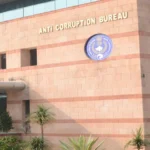
Inquiry Ordered by Authorities
Following the exposure of the मामला, higher authorities have ordered a formal investigation to determine the extent of corruption and identify those responsible. The probe is expected to focus on:
- Allocation and utilization of medical funds
- Tendering and procurement processes
- Verification of bills and expenditures
- Possible collusion between officials and contractors
The inquiry aims to establish accountability and recommend disciplinary or legal action based on findings.
Questions Over Monitoring and Oversight
The case has raised serious questions about the lack of monitoring mechanisms within the health department. Critics argue that such a significant financial irregularity could not have occurred without systemic failures, including:
More Read

- Weak auditing systems
- Lack of real-time financial tracking
- Possible internal collusion
- Delayed response to complaints
The incident highlights gaps in governance and the urgent need for stricter oversight in public healthcare spending.
Impact on Public Healthcare
The alleged scam has direct implications for healthcare delivery in Karauli:
- Funds meant for improving medical facilities may not have reached their intended purpose
- Patients could have been deprived of essential services, medicines, or infrastructure
- Public trust in government healthcare systems may be affected
Experts warn that corruption in the health sector not only wastes resources but also puts lives at risk, especially in rural and underdeveloped regions.
Demand for Strict Action
Following the revelations, there is growing demand from citizens and activists for:
- A transparent and time-bound investigation
- Suspension or removal of officials found involved
- Recovery of misused public funds
- Implementation of stronger audit and vigilance systems
There are also calls for higher-level monitoring to prevent similar scams in other districts.
Conclusion
The Karauli medical scam has once again exposed vulnerabilities in the management of public funds within essential services like healthcare. As the investigation progresses, the focus will remain on whether authorities can ensure accountability and restore public confidence.
More Read

The outcome of the inquiry is likely to set an important precedent for handling corruption cases in Rajasthan’s healthcare sector, where transparency and efficiency are critical for public welfare.