

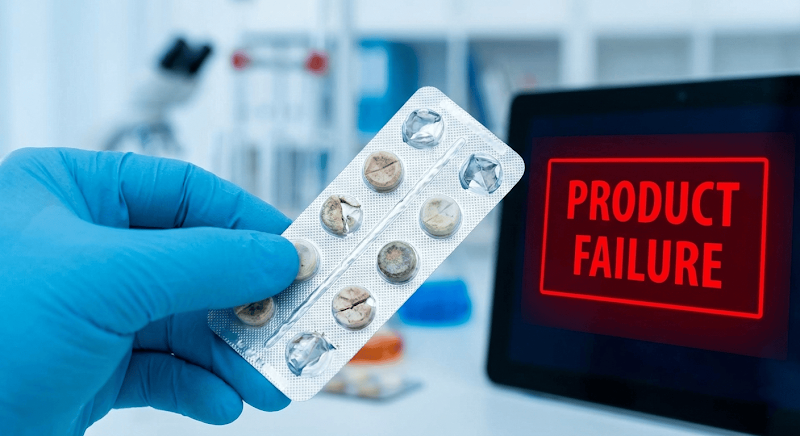
Massive Crackdown Raises Concerns Over Quality of Marketed Medicines
Jaipur: A major drug quality investigation in Rajasthan has exposed alarming irregularities in the state’s pharmaceutical market, with 133 branded medicines and cosmetic products failing quality tests over the last seven months. The findings by the Rajasthan Drug Control Commissionerate have raised serious concerns about the safety and effectiveness of medicines being sold to consumers at premium prices.
The investigation revealed that several medicines marketed as trusted “branded” products were either substandard, ineffective, or allegedly fake. In many cases, laboratory analysis found that the active medicinal ingredients required to treat diseases were either significantly below prescribed standards or completely absent.
The revelations have intensified fears regarding patient safety and the growing circulation of substandard medicines in the retail pharmaceutical market.
217 Medicines Failed in Three Years, 25 Found to Be Spurious
According to official data released by the Drug Control Department, a total of 217 medicines tested in government laboratories during the last three years were declared “Not of Standard Quality” (NSQ).
Among these, 25 samples were classified as completely spurious or fake medicines.
More Read

Authorities stated that the failed samples included medicines manufactured by companies located in Jaipur, Baddi, Dehradun, Haridwar, Palghar, Gujarat, and Himachal Pradesh.
The failed products reportedly included both medicines and cosmetic items distributed in the open market.
Medicines for Serious Diseases Among Failed Samples
The investigation covered medicines used for treating a wide range of common and critical health conditions.
More Read

Categories of medicines that failed quality tests included:
- Antibiotics
- Acidity medicines
- Allergy drugs
- Cough syrups
- Painkillers
- Depression medicines
- Multivitamin supplements
- Pediatric medicines
Officials revealed that one anti-allergy medicine was found to contain zero active ingredient, making it completely ineffective for treatment.
In several antibiotic medicines, essential compounds such as clavulanic acid were reportedly absent, potentially reducing the effectiveness of treatment against infections.
Similarly, certain multivitamin tablets were found to contain Vitamin D levels far below prescribed standards.
Health experts warn that such medicines can endanger patients by delaying treatment, worsening illnesses, and contributing to antibiotic resistance.
Illegal Pharmaceutical Operations Under Scanner
The findings have also exposed the growing network of illegal pharmaceutical operations in Rajasthan.
In December 2025, authorities conducted a major raid on a Jaipur-based pharmaceutical firm and seized medicines worth approximately ₹3.73 crore.
More Read

Investigators reportedly discovered that the firm was operating without a valid license and was allegedly involved in the manufacture and distribution of fake and substandard medicines.
Officials believe that unauthorized pharmaceutical activities and weak compliance monitoring have enabled the circulation of unsafe medicines in the market.
Courts Have Already Awarded Punishments in Several Cases
Authorities confirmed that courts have already convicted several individuals and firms involved in the manufacture and sale of fake medicines.
Convictions include:
- Lokesh Chanchalani: 3 years imprisonment and ₹1 lakh fine
- Durga Medical Agency: 1 year imprisonment and ₹20,000 fine
- Prem Lalwani: 3 years imprisonment and ₹50,000 fine
- Hanuman Khandelwal: 3 years imprisonment and ₹10,000 fine
The convictions highlight the seriousness with which authorities are treating cases involving counterfeit and substandard medicines.
Difference Between Government and Branded Medicine Monitoring
The controversy has also drawn attention to the difference in quality monitoring systems for government-supplied medicines and privately marketed branded medicines.
Government-supplied free medicines undergo a three-level testing process:
- Quality testing by the manufacturer
- Testing by NABL-accredited laboratories before procurement through Rajasthan Medical Services Corporation Limited (RMSCL)
- Random sampling from hospitals and markets for repeated testing
In contrast, branded medicines sold in the private market largely rely on manufacturer-issued quality reports before entering the market.
The Drug Department mainly conducts random sample testing afterward, and action is typically initiated only after complaints or failed test reports emerge.
Experts argue that this gap in monitoring allows certain low-quality or fake medicines to reach consumers before detection.
Monthly Drug Failures Reveal Scale of the Problem
Data released by the department shows a continuous pattern of failed medicine samples between October 2025 and May 2026.
Several months recorded multiple failed drug samples, indicating persistent quality control issues within the pharmaceutical supply chain.
Officials stated that drug alerts are issued publicly whenever medicines fail quality standards, and instructions are subsequently given to remove affected stock from the market.
Drug Department Says Strict Action Is Being Taken
Rajasthan Drug Controller Ajay Phatak stated that the department continuously collects samples from the private pharmaceutical market and takes strict legal action against manufacturers and distributors involved in violations.
According to the department, failed drug reports are made public through official drug alerts, following which authorities order the withdrawal of affected stock and initiate legal proceedings against responsible entities.
Public Health Concerns Intensify
The revelations have triggered widespread concern among patients, healthcare professionals, and consumer rights groups.
Medical experts warn that substandard medicines not only fail to cure diseases but can also create severe long-term public health risks, especially in cases involving antibiotics and chronic disease treatments.
The latest findings have renewed demands for stricter regulatory oversight, mandatory independent testing of branded medicines, stronger surveillance mechanisms, and harsher penalties against companies involved in the manufacture or sale of fake and substandard drugs.