

Thousands of Electric Vehicle Buyers Still Waiting for Subsidy Benefits Announced in 2022
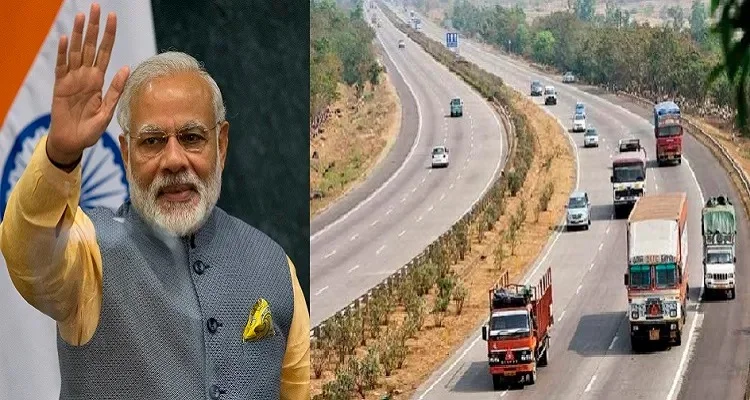
Jaipur: At a time when Prime Minister Narendra Modi is aggressively advocating for reduced dependence on fossil fuels and promoting green mobility across India, Rajasthan’s ambitious electric vehicle policy appears to be struggling under bureaucratic delays and administrative bottlenecks.
Thousands of electric vehicle owners in the state are reportedly still waiting for subsidy benefits promised under the Rajasthan Electric Vehicle Policy (REVP-2022), despite the scheme being launched nearly four years ago with a dedicated budget allocation.
The prolonged delay has sparked frustration among consumers, concern among automobile dealers, and fresh questions about the effectiveness of policy implementation within the state transport department.
Rajasthan EV Policy Introduced With Ambitious Goals
The Rajasthan Electric Vehicle Policy (REVP-2022) was introduced by the previous state government in September 2022 with the objective of encouraging adoption of electric mobility and reducing pollution levels across the state.
The policy was designed to remain effective until 2027 and aimed at boosting sales of electric two-wheelers, e-rickshaws, and other battery-operated vehicles through direct financial incentives and tax reimbursements.
More Read

Under the scheme, buyers were promised subsidies broadly structured as follows:
| Vehicle Category | Estimated Subsidy | Additional Benefits |
|---|---|---|
| Electric Two-Wheelers | ₹5,000 to ₹10,000 (depending on battery capacity) | SGST reimbursement |
| E-rickshaws and Other EVs | ₹10,000 to ₹20,000 | SGST reimbursement |
The government had reportedly approved a budget of nearly ₹40 crore to support subsidy disbursement under the policy.
However, despite the budgetary provision and completed applications, many beneficiaries claim that the subsidy process has effectively stalled.
More Read

Consumers Claim They Feel “Cheated”
Thousands of consumers who invested in electric scooters and battery-operated vehicles expecting lower running costs and government incentives are now expressing deep dissatisfaction.
Several EV owners claim that despite waiting for years, the promised subsidy amount has not reached their accounts.
One electric vehicle owner said:
“We purchased an electric scooter believing the government subsidy would reduce our financial burden. But years later, neither have we received the subsidy nor proper service support. Now we advise others to think carefully before buying EVs.”
The issue is reportedly affecting both urban and semi-urban consumers who shifted toward electric mobility amid rising petrol and diesel prices.
Automobile Dealers Warn of Declining EV Sales
Automobile dealers and EV distributors across Rajasthan say the prolonged delay is beginning to hurt market confidence.
Dealers claim:
More Read
- Existing customers are repeatedly raising complaints regarding pending subsidies,
- New buyers are becoming hesitant,
- And uncertainty over policy implementation is negatively impacting sales growth.
Industry stakeholders argue that government incentives are a key driver behind early-stage EV adoption, especially in price-sensitive markets like Rajasthan.
They warn that if subsidy payments continue to remain delayed, the state’s transition toward electric mobility could slow significantly.
Transport Department Blames “Technical Issues”
When questioned about the prolonged delay, officials from the transport department reportedly cited “technical problems” related to portal operations and verification procedures.
According to departmental sources:
- Verification processes are facing administrative hurdles,
- Technical integration issues remain unresolved,
- And payment disbursal systems are still under review.
However, critics argue that such explanations are becoming increasingly difficult to justify given that:
- The policy was announced in 2022,
- Applications were submitted years ago,
- And budget allocations were already approved.
Questions are now being raised over whether the issue reflects mere technical inefficiency or deeper administrative negligence.
Green Mobility Vision Faces Ground-Level Challenges
The controversy has highlighted a larger gap between policy announcements and implementation on the ground.
Prime Minister Narendra Modi has repeatedly emphasized electric mobility as a key pillar of India’s future energy and environmental strategy. The Union Government has also launched multiple schemes to accelerate EV adoption nationwide.
However, experts say delays in state-level subsidy implementation can weaken public trust in green mobility programs and discourage consumers from transitioning away from conventional fuel vehicles.
Public Pressure Growing on Rajasthan Government
As criticism intensifies, pressure is mounting on Rajasthan’s transport department to:
- Clear pending subsidy claims,
- Fix technical and verification systems,
- Publish transparent timelines for payment,
- And restore confidence among EV buyers.
Environmental groups and industry stakeholders argue that successful EV adoption depends not only on policy announcements but also on timely delivery of promised benefits.
With electric mobility increasingly becoming central to India’s future transport strategy, many are now watching whether Rajasthan can revive its stalled subsidy mechanism — or whether the state’s EV policy risks becoming another ambitious scheme trapped in bureaucratic delay.