

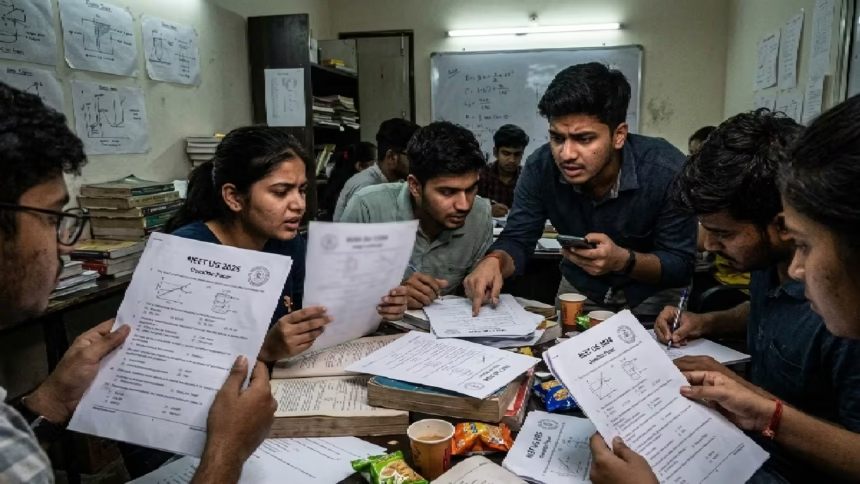
Sikar: The investigation into the NEET-UG 2026 paper leak scandal is uncovering what officials now describe as a highly organized interstate examination racket that had allegedly been operating months before the examination was conducted. Fresh findings suggest that the network began planning the leak nearly eight months in advance, around the Diwali season, turning one of India’s most important medical entrance examinations into a black-market operation worth crores.
Investigators claim the leaked paper was initially sold offline to select candidates and families for amounts ranging from ₹5 lakh to ₹15 lakh. However, as the examination date approached and the paper spread uncontrollably through digital channels, its “market value” reportedly collapsed to as low as ₹2,000 in the final hours before the test.
Nashik Printing Press Under Scanner
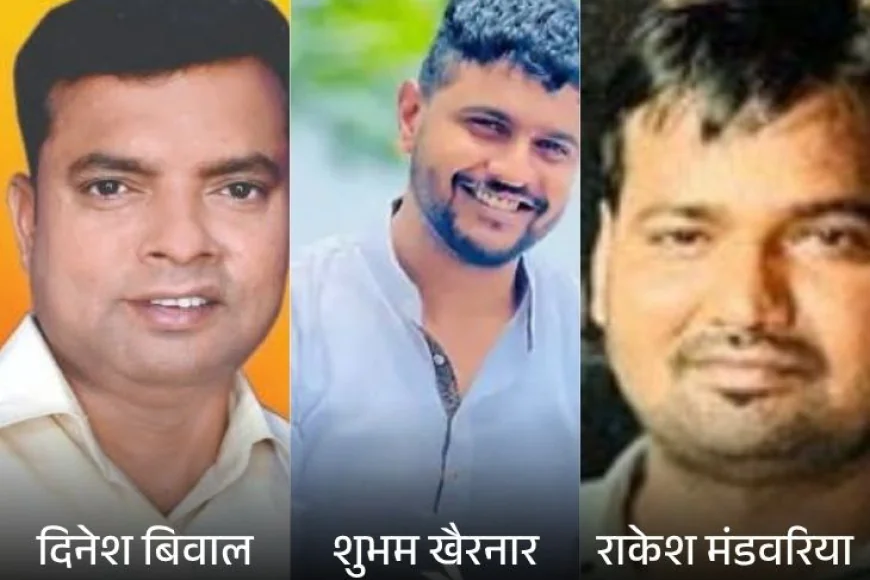
According to agencies probing the case, the origin of the leak traces back to Nashik in Maharashtra, where copies of the NEET paper were allegedly printed at a private press facility.
Investigators suspect that an individual identified as Dhananjay first accessed the confidential examination material and passed it to another accused, Shubham Khairnar. From there, the paper allegedly reached Haryana-based accused Yash Yadav, who has emerged as one of the key middlemen in the interstate syndicate.
Officials believe Yadav played a crucial role in distributing the leaked material to multiple networks operating across Rajasthan and neighboring states.
More Read
₹45 Lakh Deal Linked to Jamwaramgarh Brothers
The probe has also revealed a major Rajasthan connection involving two brothers from Jamwaramgarh near Jaipur — Dinesh Bival and Mangilal Bival.
According to investigators, Yash Yadav allegedly struck a deal worth ₹45 lakh with the brothers for access to the leaked paper. The accused reportedly assured buyers that nearly 143 questions from the “guess paper” would appear in the final examination. Sources now claim that approximately 120 to 130 questions actually matched the leaked content.
Investigators further allege that the brothers paid an advance amount of ₹30 lakh to the network before the examination.
More Read

The investigation has widened after agencies found alleged involvement of Mangilal’s son Vikas, who is currently pursuing MBBS studies in Sawai Madhopur. Authorities suspect that family members may have been linked to organized examination fraud networks for an extended period.
How the Paper Price Collapsed Before the Exam
The pricing structure of the leaked paper has become one of the most shocking aspects of the investigation.
Initially, the leaked content was circulated discreetly among selected students and parents in Sikar and surrounding regions for amounts ranging between ₹5 lakh and ₹15 lakh.
However, as more individuals gained access to the paper, the syndicate reportedly lost control over distribution.
- April 29: Large-scale monetary deals allegedly finalized with parents and candidates.
- Two days before the exam: The paper reportedly began circulating for as little as ₹2,000.
- Final hours before NEET: Investigators claim the paper was freely shared across Telegram groups and WhatsApp channels in “free circulation mode.”
Officials believe this uncontrolled digital spread ultimately exposed the scale of the operation and triggered suspicion among educators and authorities.
Physics Teacher’s Alert Exposed the Leak
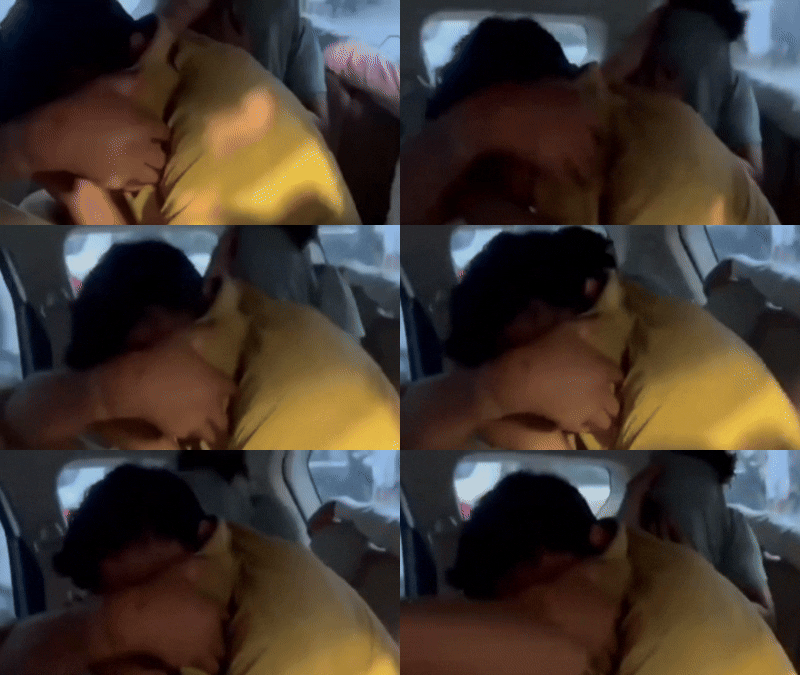
A crucial turning point in the scandal came from a physics teacher associated with a private coaching institute in Sikar.
More Read
Sources say the teacher became suspicious on May 4 after receiving leaked material that appeared identical to the actual examination pattern. He reportedly visited a local police station around 2 AM to report the matter, but the complaint was allegedly not taken seriously by local authorities.
On May 6, the teacher directly emailed the National Testing Agency (NTA), attaching supporting evidence and even offering his mobile phone for forensic examination. That communication reportedly prompted intervention from the Intelligence Bureau (IB), eventually escalating the matter to the Central Bureau of Investigation (CBI).
Coaching Institutes and ‘White-Collar’ Links Under Investigation
Investigators are now examining whether several coaching operators and influential individuals were indirectly connected to the network.
The probe has reportedly found that multiple children linked to the Bival family had already secured admissions in medical colleges, yet their selection records were never publicly associated with coaching institutes. Agencies suspect this may indicate long-term links with organized paper leak syndicates.
The CBI is now scrutinizing several reputed coaching institutions in Sikar along with suspected “white-collar facilitators” who may have helped the network operate undetected.
At present, the CBI has taken Dinesh Bival, Mangilal Bival, Vikas Bival, and Yash Yadav on transit remand for further questioning. Meanwhile, Sikar-based accused Rakesh Mandawariya was reportedly released after initial interrogation, though investigators say the inquiry remains ongoing.