

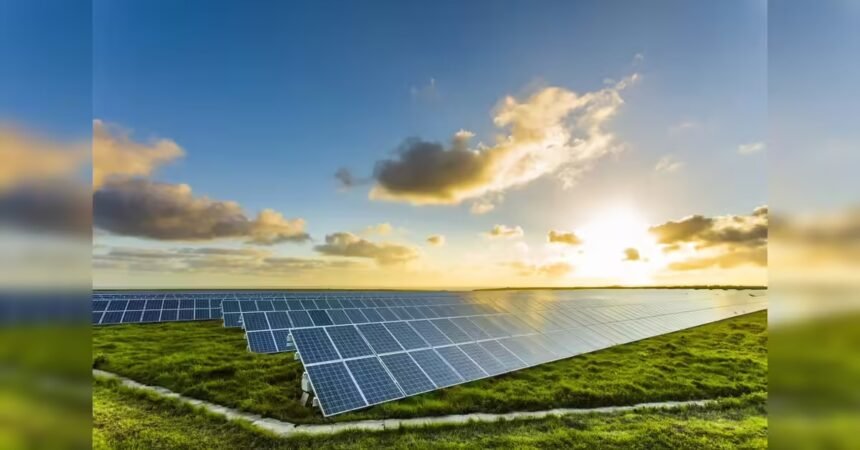
Jaipur: A major alleged scam has surfaced in Rajasthan under the PM Surya Ghar Muft Bijli Yojana, raising serious questions over misuse of public funds, fake subsidy claims, and fraudulent rooftop solar installations. An investigation by Expose Now claims that several consumers and government agencies may have been cheated in the name of providing solar subsidies under the flagship central government scheme.
According to the report, certain private vendors allegedly lured consumers by promising quick subsidy approvals, low-cost installations, and zero electricity bills. However, many beneficiaries reportedly received substandard equipment, incomplete installations, or no functional systems despite subsidy amounts being processed in their names. In several cases, fake documentation and inflated invoices were allegedly used to claim higher reimbursements from the government.
Sources indicate that forged site inspection reports, manipulated photographs of rooftops, and duplicate beneficiary records may have been used to secure subsidies fraudulently. Some consumers allegedly discovered that subsidy claims had already been filed using their identity details without their full knowledge or after partial work was shown as complete.
The PM Surya Ghar Muft Bijli Yojana was introduced by the Government of India to promote rooftop solar adoption, reduce electricity bills, and provide financial assistance to households. The scheme aims to support one crore homes with solar power and offer up to 300 units of free electricity benefits through rooftop generation.
Investigators are now examining whether vendor empanelment norms were violated and whether officials responsible for verification ignored irregularities. Questions are also being raised about how subsidies were approved without proper technical inspections or field validation. If proven, the fraud could involve crores of rupees in wrongful subsidy disbursements.
More Read

Energy sector experts say such scams damage public trust in renewable energy programs and hurt genuine consumers who depend on subsidy support to install solar systems. They have demanded stricter monitoring, geotagged inspections, transparent vendor ratings, and direct accountability of agencies involved in approvals.
Citizens have been advised to apply only through the official government portal, verify vendor credentials, and keep records of installation, invoices, and subsidy status. Authorities are expected to review complaints and may initiate action against companies or individuals found guilty of fraud.